The Definitive Bushcraft Survival Knife Guide: Full-Tang Carbon Steel vs. Stainless
An in-depth metallurgical and field breakdown of bushcraft knives. Learn why full-tang high-carbon steel outperforms stainless for heavy batoning, feather sticking, and spark ignition.
Mark Holloway, Master Woodsman
WildRoot Field Testing & Research Team
If you were dropped into an unforgiving sub-alpine wilderness with permission to carry only a single manufactured tool, every master woodsman, survival instructor, and search-and-rescue veteran would give you the identical answer: a dependable, full-tang fixed-blade knife.
In the foundational doctrine of The 10 C’s of Wilderness Survivability, the Cutting Tool sits at the undisputed apex of Priority #1. While you can construct makeshift shelters from pine boughs, twist cordage from dogbane bark, and start friction fires with bow drills, you cannot improvise metallurgy in the wilderness.
A superior knife is the primary engine that builds all your secondary tools. It harvests dry kindling from inside soaked logs, carves tension stakes for your Bombproof Tarp Shelter, and forms the tactical centerpiece of your 72-Hour Bug Out Bag Essentials Kit.
Yet the commercial market is flooded with decorative wall-hangers, brittle stainless folding knives, and hollow-handle survival gadgets. Below is the definitive metallurgical and field-testing breakdown of what actually separates a life-saving bushcraft blade from a catastrophic trail failure.
Metallurgy Showdown: High-Carbon Steel vs. Stainless Steel
The single most critical decision in knife selection is steel chemistry. A bushcraft knife is not a kitchen paring blade—it is an impact tool subjected to twisting forces, frozen knotty timber, and sand-grit abrasion.
| Performance Attribute | High-Carbon Steel (e.g., 1095 / Forged Carbon) | Stainless Steel (e.g., 420HC / 440C / AUS-8) | Backcountry Winner |
|---|---|---|---|
| Impact Toughness (Batoning) | Exceptional. High tensile yield; absorbs violent hammer blows without catastrophic micro-fracture. | Moderate to Poor. Large chromium carbides can cause brittle edge chipping under heavy shock. | High-Carbon |
| Edge Retention on Hardwood | High. Maintains a razor-sharp bite when shaving kiln-hardened oak, hickory, and seasoned cedar. | Moderate. Softer stainless rolls; hard stainless micro-chips against knotty grain. | High-Carbon |
| Ease of Field Sharpening | Outstanding. Restores a shaving edge in 3 minutes on a pocket stone or smooth river pebble. | Difficult. Abrasion-resistant chromium carbides require specialized diamond hones. | High-Carbon |
| Spark Generation (Flint Strike) | Yes. Striking true chert/quartz against the carbon spine throws molten 3,000°F metal sparks. | No. High chromium content prevents carbon oxidation sparks from natural rocks. | High-Carbon |
| Corrosion Resistance | Requires Maintenance. Develops surface patina; must be wiped dry and lightly oiled. | Impervious. Resists rust in saltwater, marine fog, and prolonged wet humidity. | Stainless |
The Verdict on Backcountry Steel:
While high-end stainless steels (like CPM-3V or Sandvik 14C28N) have narrowed the gap, traditional forged high-carbon steel remains the supreme woodsman’s metal. In a life-or-death survival scenario, you need a blade that bends slightly under extreme torque rather than snapping in half, and one that can be honed razor-sharp on a creek rock after two days of splitting firewood.
The Tang Architecture: Why Full-Tang is Non-Negotiable
The “tang” is the unsharpened rear extension of the blade steel that connects to the handle. In the field, knives fail most frequently where the blade meets the grip.
[Full-Tang]       ═══════════════════════════════════════════ (Solid single steel billet end-to-end)
[Rat-Tail Tang]   ══════════════════───-                      (Narrows down to thin rod inside handle)
[Folding Pivot] ═════════════════ [Pivot Pin] ═══════════ (Single 3mm pin takes 100% of batoning shock)- Full-Tang Construction: The steel profile mirrors the complete silhouette of the handle, sandwiched between two scales pinned with solid brass rivets. You can pound the pommel with a rock or drive the blade through a 4-inch seasoned log without structural failure.
- Hidden / Rat-Tail Tangs: Common in cheap decorative knives. The steel tapers down to a threaded metal pencil rod epoxied into plastic. Under heavy batoning, the handle shears off, leaving you with an unusable, dangerous shard of steel.
- Folding Knives: No matter how beefy the lock mechanism (frame lock, axis lock), a folding knife rotates around a tiny pivot pin. Using a folder for heavy baton-splitting will bend the pivot, destroy lock geometry, and can result in severe finger lacerations.
Field Rule: Keep a multi-tool folder like the 30-in-1 Folding Multi-Tool in your pocket for delicate tasks, but keep a dedicated full-tang fixed blade on your hip for heavy wood processing.
Blade Grinds Decoded: Why the Scandi Grind Rules Woodcraft
The geometry of the blade’s bevel dictates how deeply the knife penetrates timber and how easily it feathers kindling:
1. The Scandinavian (Scandi) Grind (Best for Bushcraft)
- Geometry: A single wide flat bevel running at approximately 11° to 14° per side directly to the cutting apex with zero micro-bevel.
- Why It Excels: When carving feather sticks, the wide bevel acts as a plane guide against the wood grain. You can shave curls of cedar as thin as tissue paper that ignite instantly with a single spark from a Waterproof Sealed Tinder Capsule.
- Sharpening: Lay the wide bevel flat against your sharpening stone and push forward. There is zero guesswork about matching micro-angles.
2. The Flat Grind (Best for Food Prep & General Camp Slicing)
- Tapers continuously from the spine down to a secondary micro-bevel edge. Excellent for skinning and slicing potatoes, but wedges more unpredictably when splitting firewood.
3. The Convex Grind (The Heavy Chopper)
- Features a smooth, rounded clamshell curve. Extremely strong behind the edge (similar to a felling axe), making it impervious to chipping, but takes practiced freehand strop technique to sharpen.
4. The Hollow Grind (Avoid for Heavy Bushcraft)
- Concave curved bevel common on straight razors. Extremely thin edge apex that chips or rolls instantly when striking frozen wood knots or bone.
The 90-Degree Squared Spine: Your Primary Fire Engine
A major oversight in mass-production knives is rounded or decorative crowned spines. A true survival knife must feature a crisp, ground sharp 90-degree squared spine.
When paired with a thick ferrocerium rod:
- Striking the ferro rod with a 90-degree spine concentrates friction onto microscopic contact ridges, peeling off fat, molten 5,500°F sparks.
- You never dull your precious cutting edge. Your primary blade stays razor sharp for carving and medical first aid, while the spine handles 100% of fire-ignition duty.
- The sharp spine can also scrape tinder into fine, powdery cedar dust, fluff up inner jute cordage, or scrape bark scales for fire building under wet Leave No Trace conditions (see our Campfire Safety Guide).
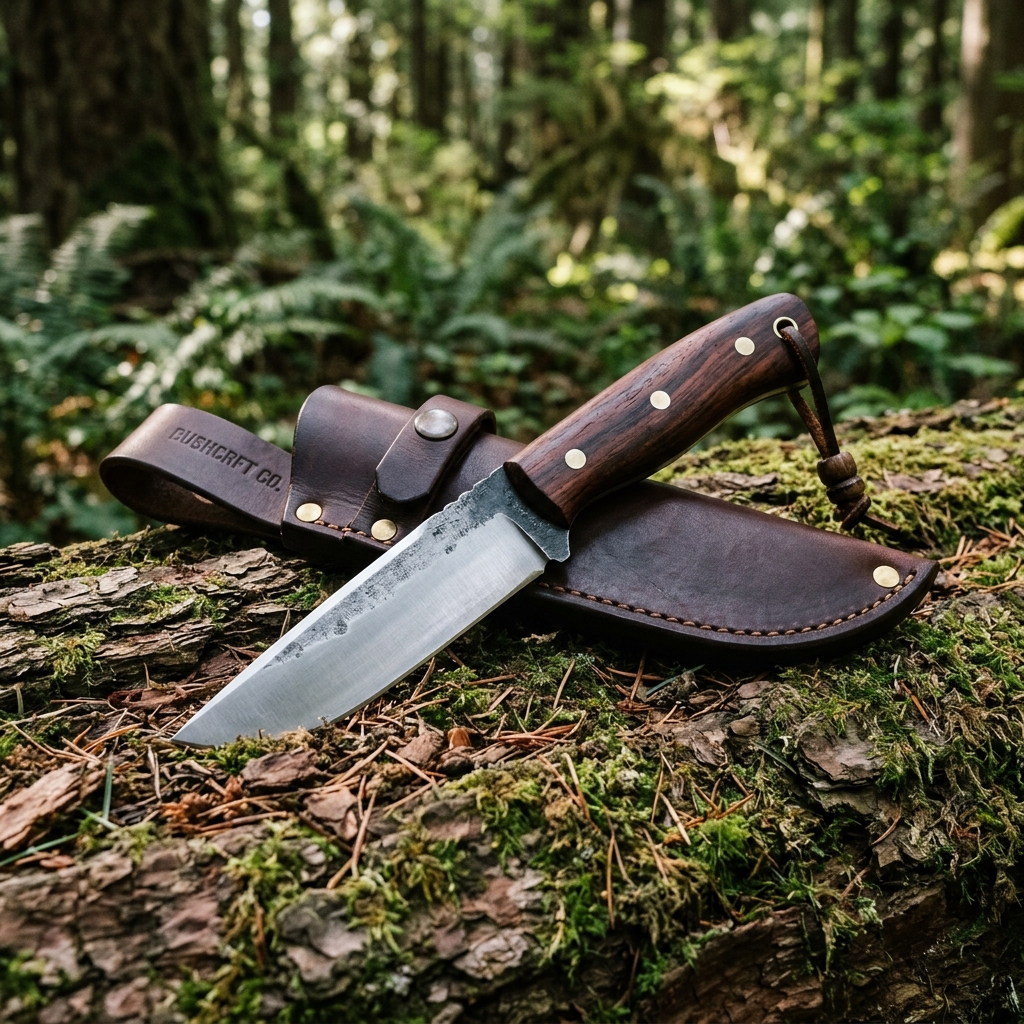
Spotlight: The Kegani High-Carbon Steel Bushcraft Knife
Engineered specifically for backcountry instructors, hunters, and wilderness guides, the Kegani High-Carbon Steel Bushcraft Knife embodies every critical engineering specification demanded by professional woodsmen:
┌────────────────────────────────────────────────────────────────────────┐
│             KEGANI BUSHCRAFT SPECIFICATION SHEET                       │
├───────────────────────┬────────────────────────────────────────────────┤
│ Steel Composition     │ Forged High-Carbon Tool Steel (HRC 58–60)      │
│ Tang Architecture     │ Full-Tang with Solid Brass Rivet Fastening     │
│ Blade Grind           │ Precision Scandi Grind Bevel (Zero Secondary)  │
│ Spine Configuration   │ Razor 90-Degree Squared Spark Striking Edge    │
│ Handle Ergonomics     │ Contoured Dark Walnut with Lanyard Hole        │
│ Carry System          │ Heavy-Stitched Saddle Leather Sheath           │
│ Primary Duty          │ Heavy Wood Batoning, Feather Sticking, Carving │
└───────────────────────┴────────────────────────────────────────────────┘
The hand-forged rough texture on the upper flats provides superior rust protection while reducing drag when splitting damp timber, and the balance point sits precisely at the index finger choil for effortless carving control.
How to Safely Baton Firewood Without Damaging Your Blade
Batoning is the technique of using a hardwood club (baton) to drive a knife lengthwise through seasoned logs to reach dry inner kindling during pouring rain.
- Select the Right Log: Choose straight-grained deadwood (oak, birch, maple) that is no wider than two-thirds of your blade’s cutting length. Avoid massive branch knots.
- Drive the Tip, Not the Handle: Place the blade across the log end grain. Strike the spine firmly in the center until the tip emerges on the other side. Once through, direct all subsequent blows to the protruding blade tip—never pound the handle.
- Use a Wooden Baton, Never Steel: Carve a 2-foot baton from green or dense hardwood. Striking your knife spine with a rock, steel hammer, or folding shovel will mushroom the 90-degree spine and damage the heat treatment.
Field Maintenance: Preventing Rust on High-Carbon Steel
High-carbon steel rewards you with unmatched durability, but requires basic respect. Follow the woodsman’s 60-second maintenance routine:
- Wipe Dry Before Sheathing: Never store a damp, acidic tree-sap-covered blade inside a leather sheath long-term (leather absorbs moisture and tanning salts that induce pitting).
- The Mineral Oil Film: After cleaning, wipe the steel with a few drops of food-grade mineral oil, camellia oil, or melted beeswax.
- Appreciate the Patina: Over time, cutting acidic meats and woods will oxidize the blade into a dark grey/blue marble pattern. This is magnetite (Fe3O4), a stable black oxide that protects against destructive red rust (Fe2O3).
Equip Your Survival Loadout
A razor-sharp full-tang knife is the heart of your wilderness survivability kit. Pair your Kegani High-Carbon Steel Bushcraft Knife with a high-tensile Field Tactical Survival Paracord Bracelet and all-weather fire tools from our complete 125-in-1 Tactical Survival Equipment Kit.
Explore the rest of our foundational field guides:
Expert Wilderness & Field Gear FAQs
Clear, field-tested answers to the most common questions on backcountry readiness, survival gear, and equipment maintenance.
QWhy is a full-tang knife necessary for bushcraft and survival?▼
QIs high-carbon steel or stainless steel better for a survival knife?▼
QWhat is the best blade grind for a bushcraft knife?▼
QCan you strike a ferro rod with any survival knife?▼
QHow do you prevent rust on a high-carbon steel bushcraft knife?▼
Wilderness Equipment Featured in this Guide
The rugged gear relied upon by our instructors. Pre-tested in North American forests and shipped fast from California & New Jersey.
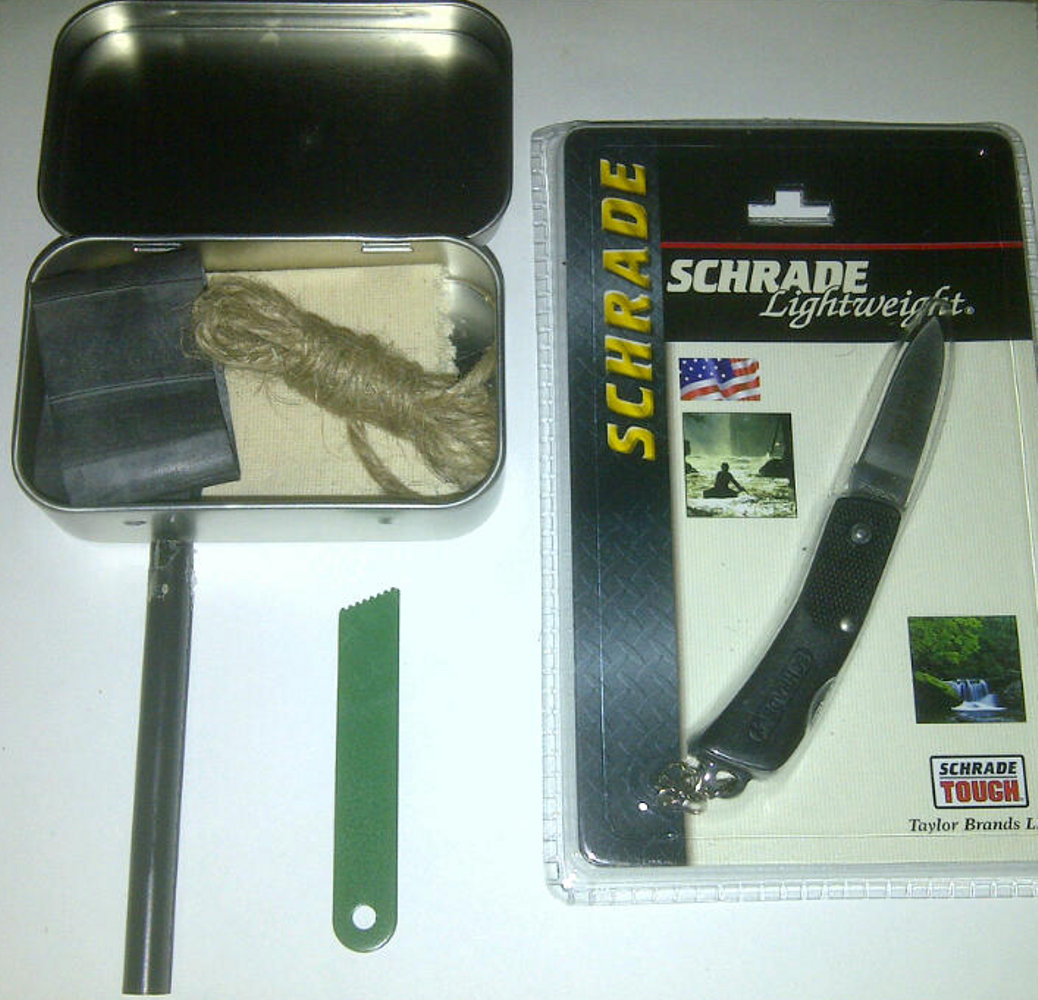
125-in-1 Professional Survival Equipment & Tactical Emergency First Aid Kit
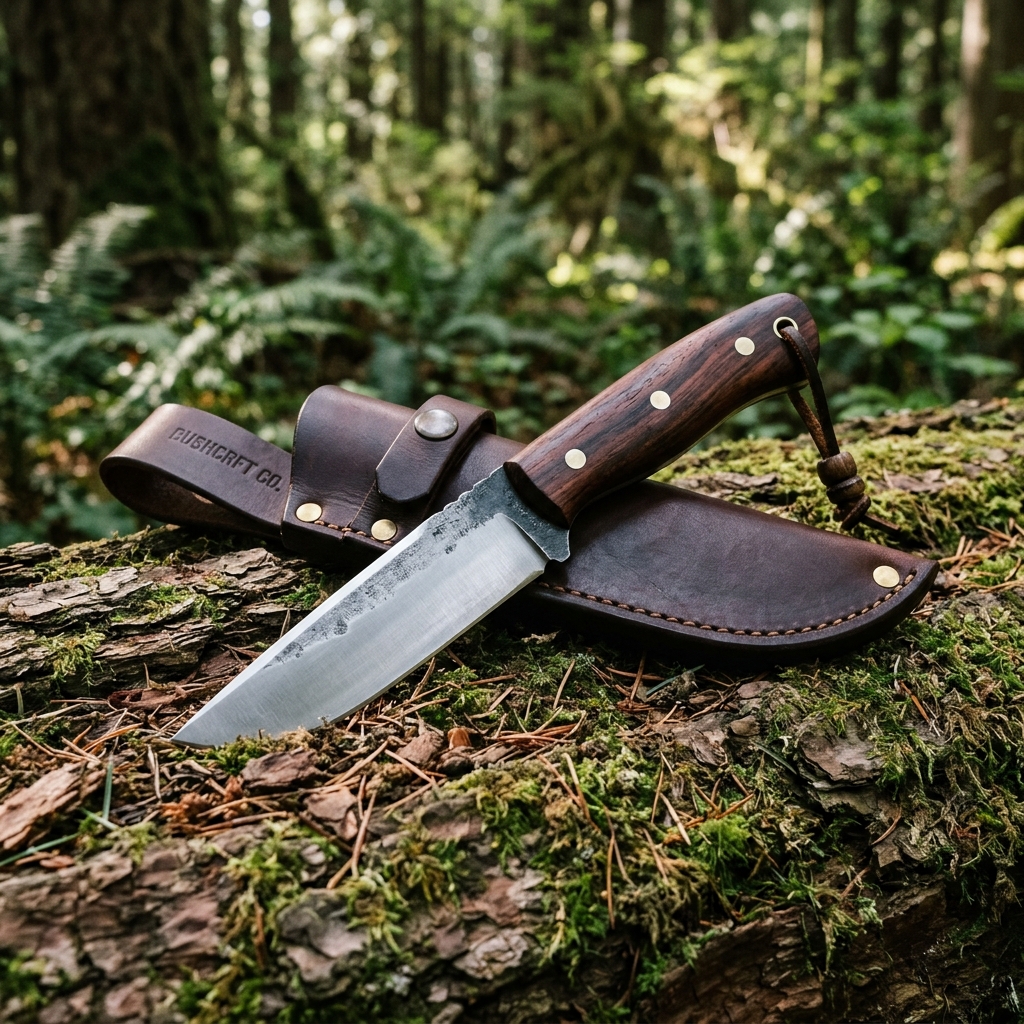
Kegani High-Carbon Steel Bushcraft Woodcraft & Camp Carver Tool with Leather Sheath
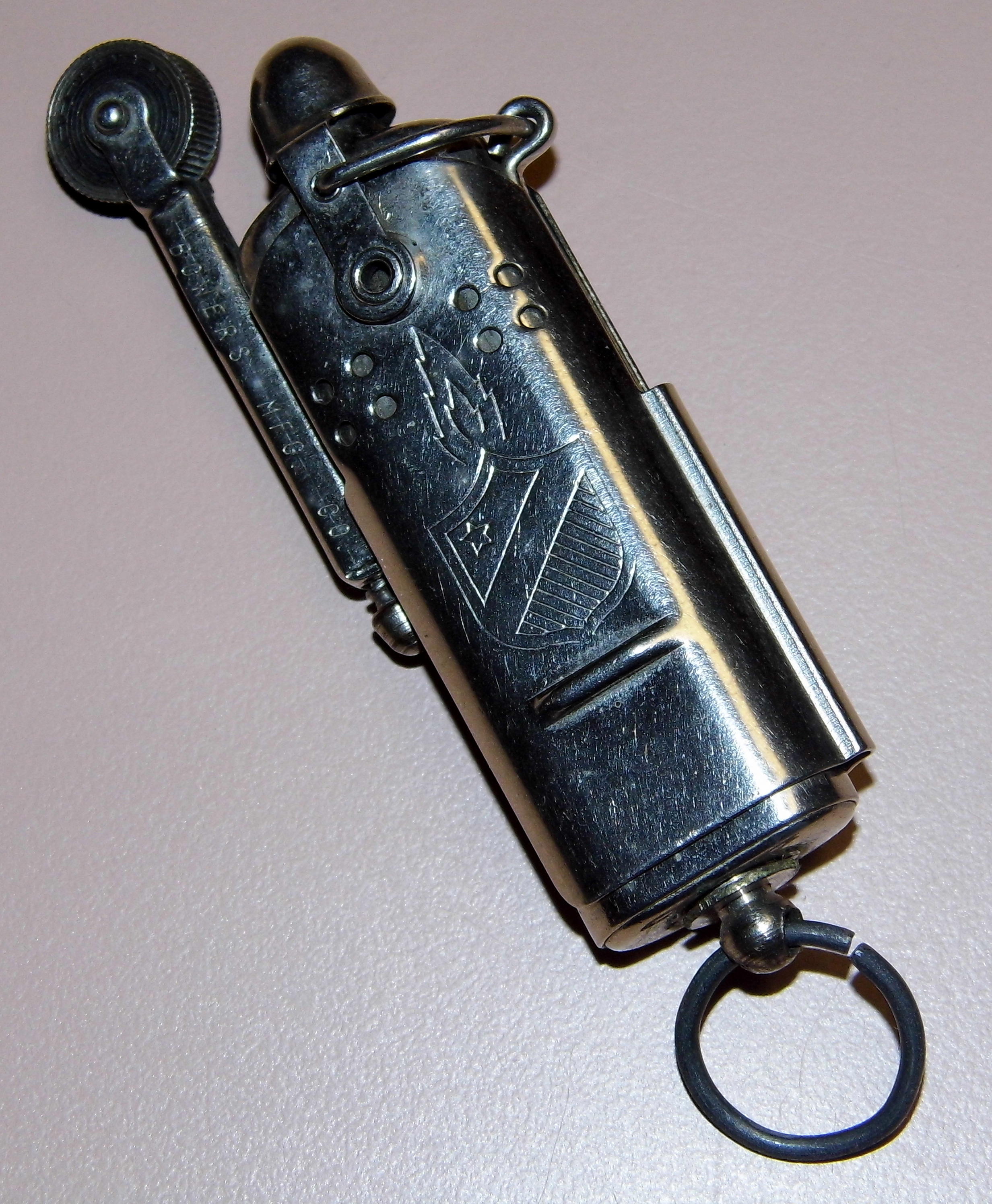
Metal Windproof Kerosene Survival Lighter (Refillable Outdoor Pocket Torch)
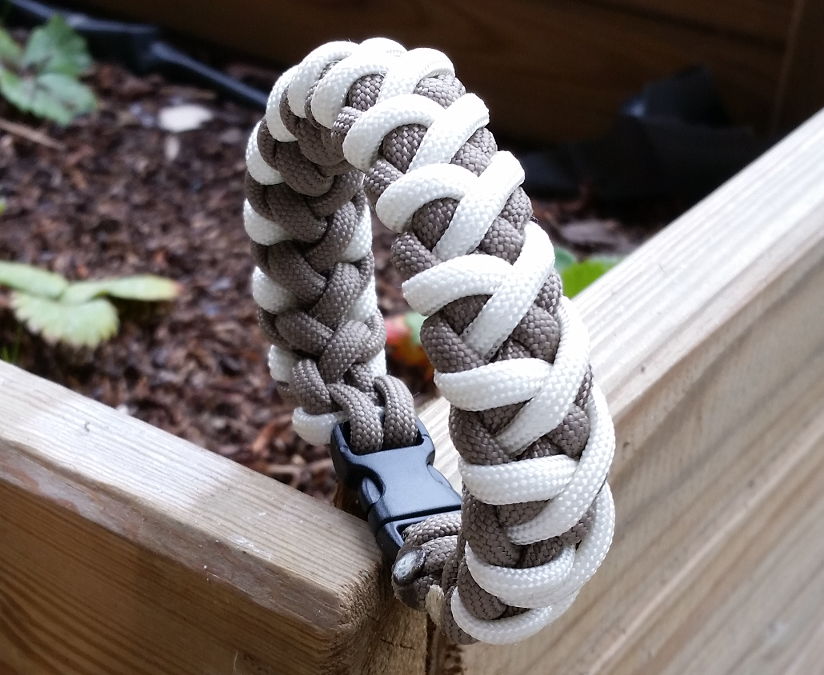
Field Tactical Survival Paracord Bracelet with Flint Ferro Rod & 100dB Whistle