Backcountry Campfire Safety & Leave No Trace Principles for Deep Wilderness
Master safe wilderness fire craft: ember containment, spark management, dead-and-down fuel selection, and leave-no-trace ash restoration.
WildRoot Field Research
WildRoot Field Testing & Research Team
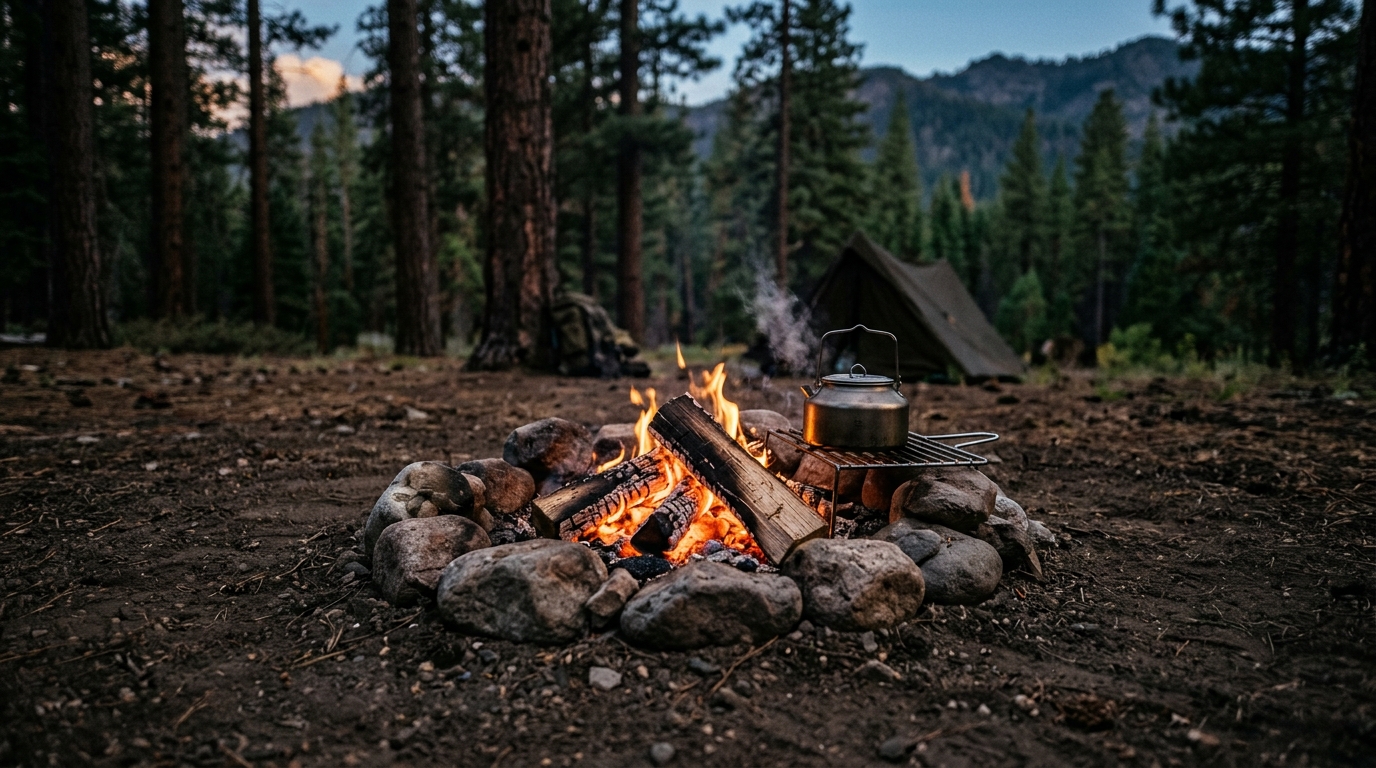
Fire is the ultimate wilderness companion—it cooks wild provisions, purifies drinking water, dries damp wool socks, and provides deep psychological solace under star-strewn forest skies.
However, an unmanaged fire in arid backcountry seasons is an ecological catastrophe waiting to ignite. Over 85% of North American wildfires are caused by unattended campfires, rogue flying embers, and unextinguished ash beds.
True woodsmen respect the flame. Here are the core Leave No Trace (LNT) guidelines and gear containment strategies every bushcrafter must adopt.
1. Site Selection: The Mineral Soil Rule
Never build an open campfire on living grass, organic topsoil, pine needles, or root systems. Root fires can smolder underground for weeks before erupting into forest canopy blazes hundreds of yards away.
Best Practices:
- Use Existing Fire Rings: If camping in established national forest sites, always reuse existing stone fire pits rather than scoring new scars into pristine wilderness.
- Scrape Down to Mineral Earth: If forced to build an emergency fire, clear a 10-foot radius of all dry brush, dead leaves, and pine duff down to bare mineral sand or gravel.
- Utilize an Elevated Portable Wood Stove: The most responsible modern choice. A stainless steel twig stove keeps open flames contained, burns 80% less wood, and prevents ground sterilization completely.
2. Spark Containment & Wind Deflection
A sudden midnight mountain breeze can lift glowing embers 50 feet into dry cedar crowns. Uncontained spark showers are the primary mechanism of camp tent punctures and wildfire ignition.
Containment Strategy:
- Heavy-Gauge Stainless Spark Screens: When burning open fires in pit rings, cover coals with a 304 stainless steel spark mesh screen. It traps high-velocity sparks while radiating 360-degree infrared heat cleanly.
- Avoid “Spitting” Timber: Never burn green softwoods like Eastern Cedar, Hemlock, or unseasoned Spruce. Their resin pockets explode violently under heat, showering sparks everywhere. Burn dense hardwoods like Oak, Maple, Hickory, or dry Birch.
3. Fuel Gathering: Dead, Down, and Detached
The Golden Rule of Backcountry Firewood: Never cut living green branches or saw off standing dead trees (“snags”). Standing deadwood provides vital wildlife nesting habitat and burns poorly due to internal moisture.
Follow the 4 D’s:
- Dead: Has grey, weathered bark that flakes off easily.
- Down: Already resting on the forest floor.
- Detached: Can be collected by hand or with a pocket folding saw without felling trees.
- Dinky: Smaller in diameter than an adult forearm. Smaller wood burns completely down to white ash, leaving zero charred log remnants behind.
4. The “Drown, Stir, Feel” Extinguishment Method
Pouring half a water bottle over a campfire and walking away is negligent and dangerous. Deep embers remain burning at over 900°F beneath white ash blankets.
The 3-Step Procedure:
- Drown: Flood the fire pit thoroughly with water until all sizzling sounds cease.
- Stir: Use an entrenching shovel or sturdy stick to mix water deep into the ash bed, breaking up hidden coal pockets.
- Feel: Hover your bare hand 1 inch above the ash pit. If you feel any trace of warmth, repeat Step 1. The ash must be cold to the touch like wet cement before you leave camp.
Leave No Trace Ash Restoration
Once your fire is cold and extinguished, scatter the cool grey ashes across a wide area away from trails and water sources, or return displaced mineral soil over the fire site.
Leave the woods looking as if human hands had never touched the land. That is the hallmark of a true master woodsman.
Wilderness Equipment Featured in this Guide
The rugged gear relied upon by our instructors. Pre-tested in North American forests and shipped fast from California & New Jersey.
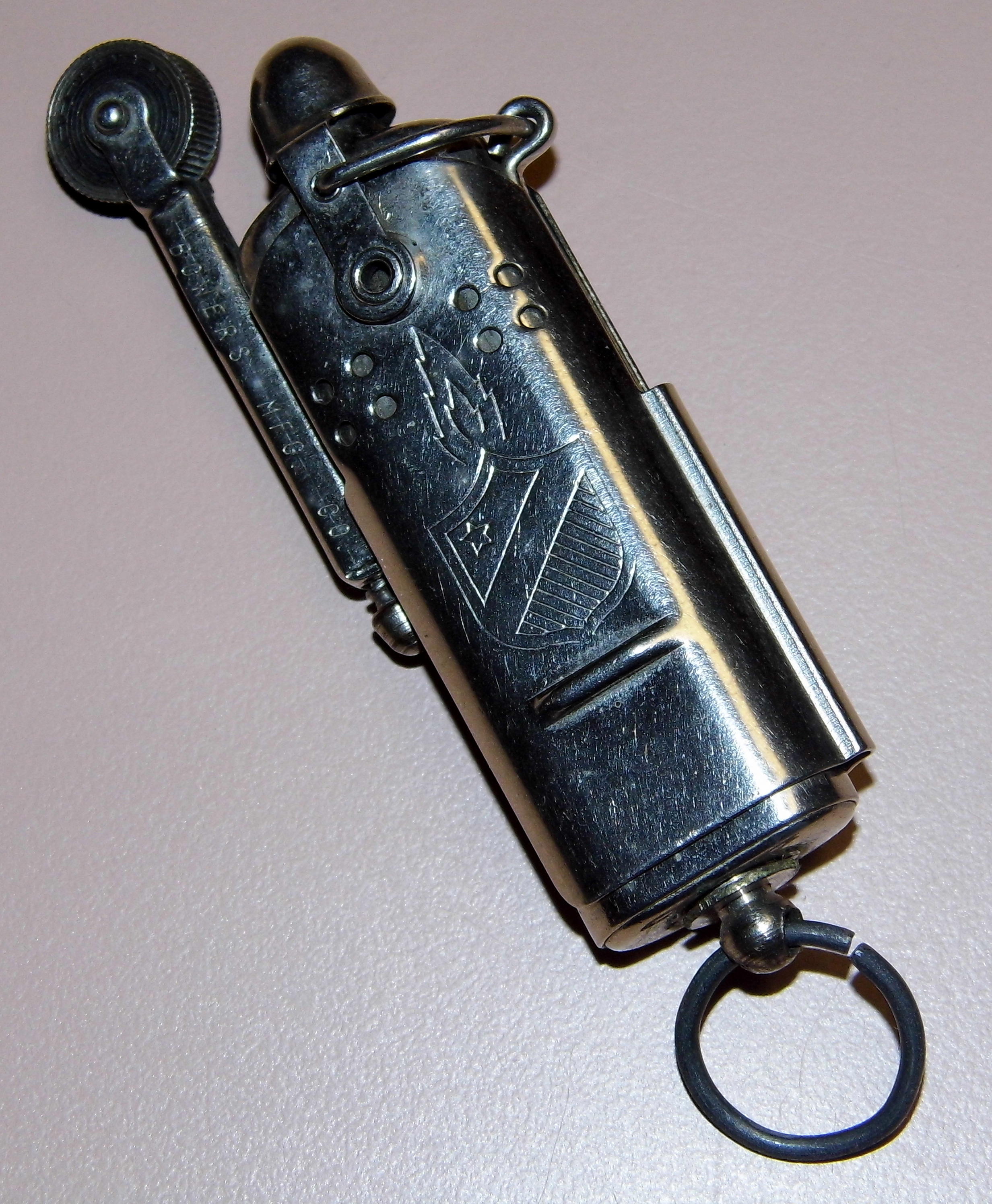
Metal Windproof Kerosene Survival Lighter (Refillable Outdoor Pocket Torch)
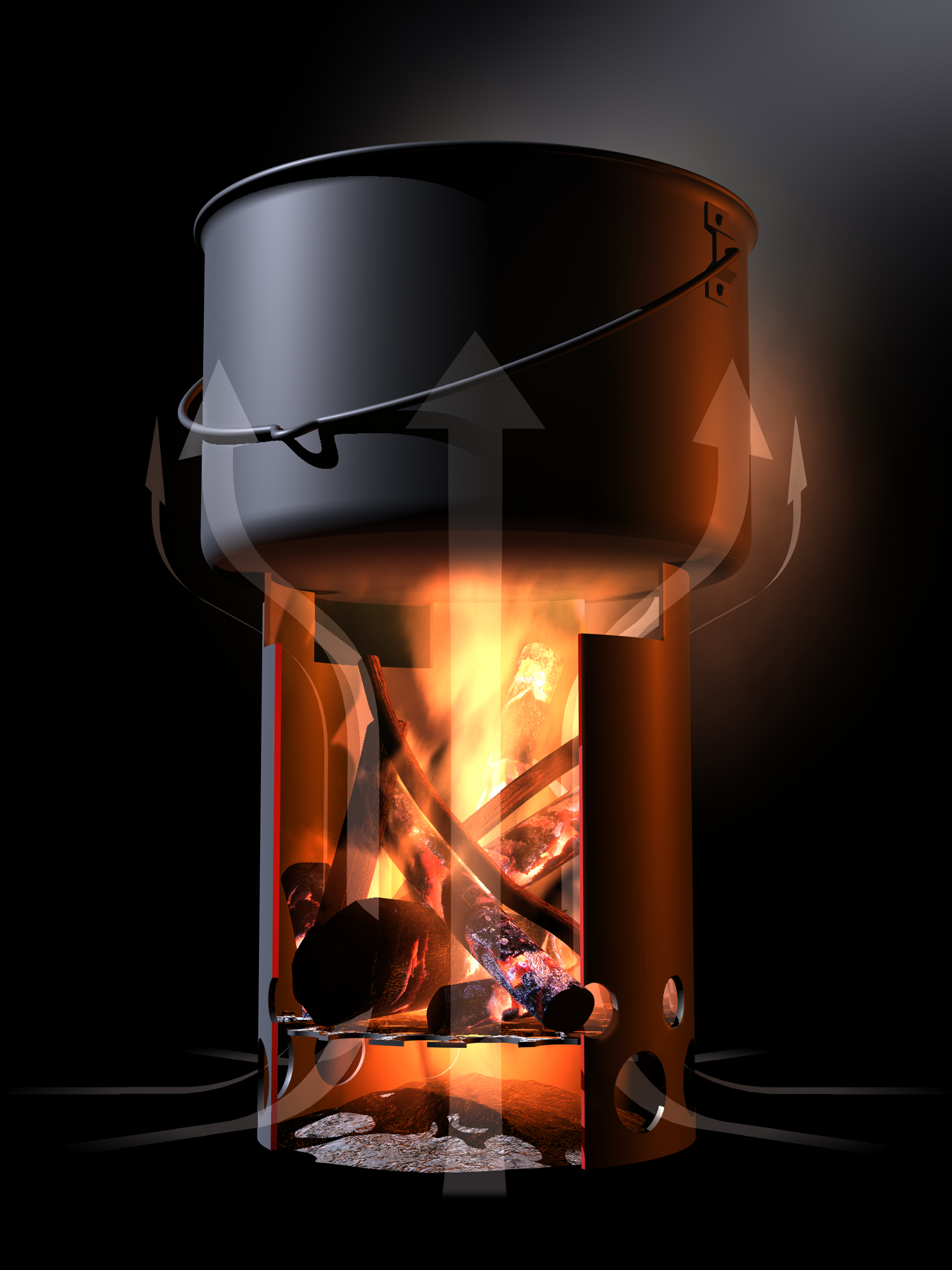
Stainless Steel Portable Folding Wood-Burning Camp Stove & Card Pocket Grill
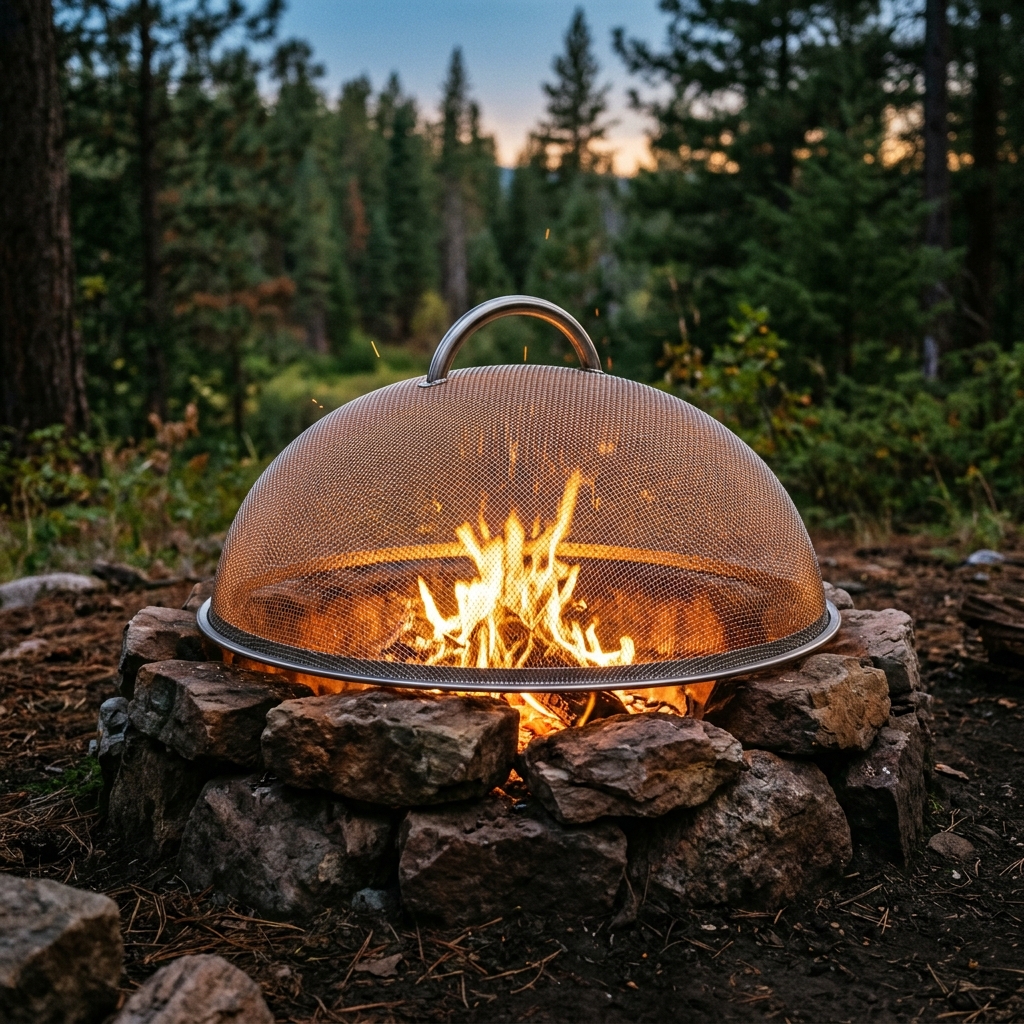
VEVOR Stainless Steel Campfire Fire Pit Protective Spark Cover Lid